The Devil Wears Prada 2: Sydney Sweeney Has Been Cut From the Movie!
The "Euphoria" star sparked heated debates last year
Anticipation for "The Devil Wears Prada 2" is high, but fans of Sydney Sweeney are now facing a major setback. Although the "Euphoria" star had already filmed several scenes for the sequel, she will not appear in the final cut. This appears to be the result of a creative decision by the filmmakers.
According to Entertainment Weekly, the decision to remove the roughly three-minute scene was by no means a judgment on Sweeney's performance. Rather, the sequence did not fit structurally with the rest of the film. However, the team explicitly emphasized how grateful they were for the collaboration with the actress.
In the deleted scene, Sweeney would have played herself. Emily Blunt's character heads the U.S. branch of the fashion house Dior in the sequel, and Sweeney would have appeared there as a prominent client during a fitting. Some industry insiders, however, speculate that Sweeney's deleted appearance might also be linked to her commercial for American Eagle last year. Critics at the time interpreted an unfortunate choice of words in the campaign as a tasteless allusion – an accusation that sparked heated discussions on social media.
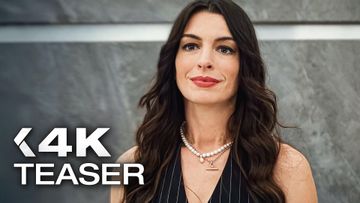
The lead roles in "The Devil Wears Prada 2" will once again be played by Meryl Streep, Anne Hathaway, and Emily Blunt. We will also see Stanley Tucci reprise his role as Nigel Kipling. The film hits theaters on May 1.
Why "The Devil Wears Prada" Still Enjoys Cult Status Today
When "The Devil Wears Prada" hit theaters in 2006, many critics expected a lighthearted comedy about the superficiality of the fashion world. Instead, director David Frankel and screenwriter Aline Brosh McKenna created a timeless masterpiece that, two decades later, is not only a staple of pop culture but is considered one of the most influential films of the 2000s. The film's cult status is no accident, but the result of a perfect blend of sharp-tongued dialogue, iconic costume design, and a performance that set the bar.
Miranda Priestly: An Antagonist for the Ages
The heart of the film is undoubtedly Meryl Streep in her role as the aloof editor-in-chief Miranda Priestly. Streep made a conscious decision to portray Miranda not as a screaming fury, but as a quiet, precise, and utterly efficient powerhouse. Her infamous "That's all" became a catchphrase.
In particular, the "Cerulean monologue" scene, in which Miranda explains to the young Andy Sachs (Anne Hathaway) that her apparent indifference to fashion is actually the result of years of work by experts in that field, gave the film an unexpected depth. Miranda Priestly became the blueprint for the modern career woman who cannot afford to make mistakes in a male-dominated world, lending the film a feminist nuance that is more relevant today than ever.
The Evolution of Andy Sachs
Another reason for the film's longevity is the relatable character of Andy Sachs. Her journey from a "smart but poorly dressed" rookie journalist to a style-conscious assistant who ultimately realizes she is sacrificing her integrity for success resonated with an entire generation of young professionals.
Andy's transformation is also masterfully executed visually. Costume designer Patricia Field, who had already gained fame through "Sex and the City", created looks that are now shared millions of times on platforms like TikTok and Instagram as vintage inspiration. Whether it's the green Chanel coat or the iconic over-the-knee boots – the fashion in the film is a character in its own right, perfectly capturing the cultural zeitgeist of the 2000s.
A Reflection of the Workplace and Memes
Beyond the fashion, "The Devil Wears Prada" remains relevant today thanks to its biting humor. The dynamics in the Runway office, featuring Stanley Tucci as the wise Nigel and Emily Blunt as the chronically stressed Emily Charlton, provided countless quotes that dominate meme culture today. The film addresses toxic work environments, work-life balance, and the price one pays for career advancement. These universal themes ensure that even young viewers today – who weren't even born in 2006 – can relate to the power struggles between Miranda and her assistants.
Conclusion: Timeless Elegance
The fact that a sequel is now being produced nearly twenty years later underscores the original's enduring influence. "The Devil Wears Prada" is more than just a satire on the fashion industry; it is a precise study of power, ambition, and the significance of style. In a fast-paced world, this film is like a perfectly tailored Chanel suit: it never goes out of style.